
A storm does not ask permission before it rips a few shingles loose or pushes rain where it does not belong. One minute you are listening to wind, the next you are staring at a spreading ceiling stain. When you need Emergency roofing repair in Knoxville, IA, a tarp can be the temporary protection that buys you time and limits interior damage.
If you are not sure whether tarping is necessary or what comes next after it is installed, this guide breaks down the signs to watch for and what a solid emergency visit should include.
When Roof Tarping Is the Smart Move | Emergency roofing repair in Knoxville, IA
Roof tarping is not a “nice to have” when water is actively getting in. It is a fast way to shield the exposed area, slow the leak, and protect insulation, drywall, and flooring until a proper repair can be scheduled.
Here are the most evident signs it is time to tarp:
- Active dripping or a ceiling stain that is growing hour by hour
- Missing shingles or exposed underlayment after high winds
- A tree limb hit, a puncture mark, or a visible impact point
- Sagging sections or soft-looking spots that you can see from the ground
- Ice or heavy snow revealing weak points around valleys or edges
- You cannot safely reach the area without risking a fall
Quick safety note: do not climb up there during wind, rain, or icy conditions. That is exactly when a crew with the right equipment should handle it.
Also Read: 4 Signs Indicating You Need Roofing Repair
What Emergency Roof Tarping Actually Does (And What It Doesn’t)
What it does:
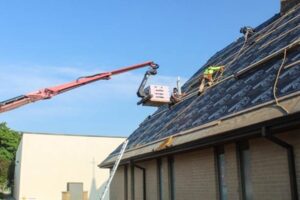
A properly installed tarp blocks water intrusion at the source, not just where the drip shows up inside. It helps protect insulation, drywall, and flooring, and can stop a small leak from turning into widespread interior damage. That is why Emergency roofing repair in Knoxville, IA, often starts with tarping when the roof is exposed.
What it does not do:
Tarping is not the final fix. It is temporary protection that buys you time until the damaged area can be properly repaired or replaced under safer conditions.
A reliable crew will also document the damage with photos, note problem areas for insurance purposes, and work in a fully insured, professional manner so the process feels organized, not chaotic.
What Happens After the Tarp Goes On | Emergency roofing repair in Knoxville, IA
- Quick check: After the tarp is secured, the crew scans the surrounding area for the real entry point and any other weak spots.
- Next steps: You get a simple plan for the permanent fix, plus what to watch for indoors. With Emergency roofing repair in Knoxville, IA, that usually means keeping an eye on new stains, damp insulation, or soft drywall.
- Follow-up matters: Moisture can hide, so a recheck helps catch decking or insulation damage before it grows.
Put a Lid on the Leak Before Damage Spreads
While you wait, move valuables from the leak area, place buckets, and take photos for records. Avoid wet attic spaces, turn off nearby ceiling fans, and keep kids and pets clear.
For Emergency roofing repair in Knoxville, IA, our team helps you stay protected and informed. Haus Roofing is family-owned, fully insured, an Owens Corning preferred contractor, and experienced across Central and Southern Iowa.
Call 515-961-7180 for emergency roofing repairs, or feel free to schedule an inspection today.